

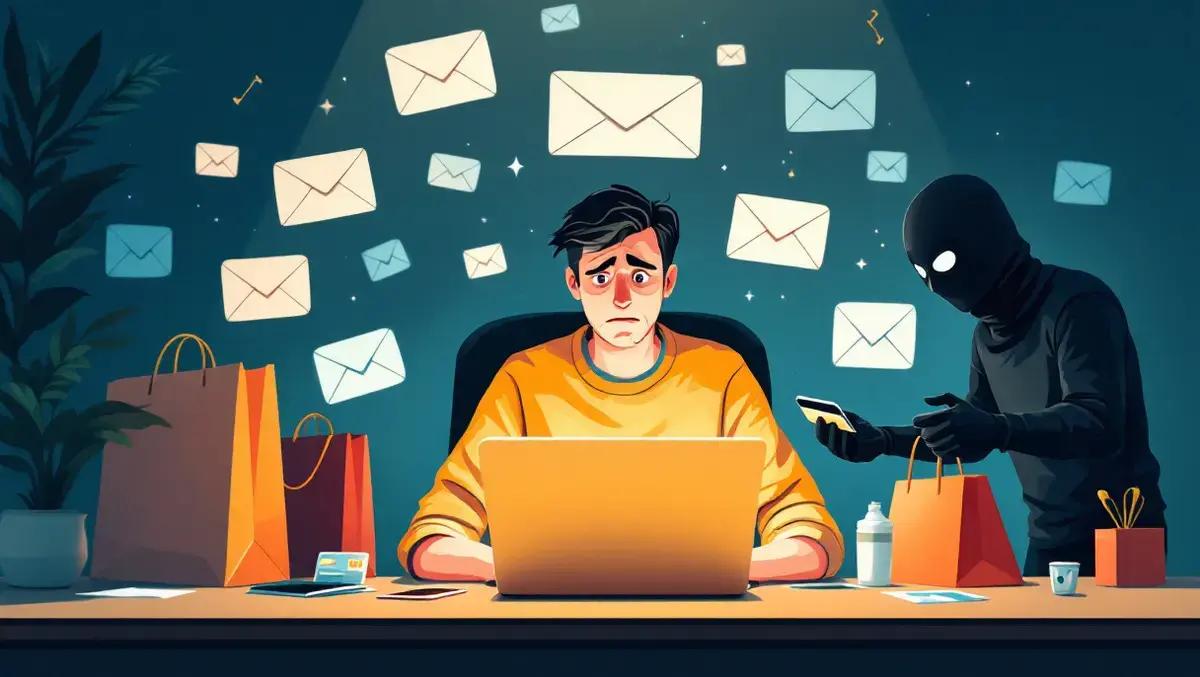
Black Friday phishing attacks surge 82% in early November
Wed, 25th Nov 2026 (Today)
KnowBe4 has reported a sharp rise in Black Friday phishing attacks in early November. Its Threat Lab said the first week of the month saw 82% more such attacks than the whole of October.
The first Black Friday-themed phishing attack this year was detected on 20 October, marking the start of what KnowBe4 described as an early wave using luxury watch and handbag lures.
Researchers said attackers were impersonating major retail, financial and technology brands to trick recipients into handing over credentials or payment details. The brands most commonly spoofed were Amazon, Walmart, Aldi, Louis Vuitton, Hermes, LinkedIn, Facebook, Lloyds and ANZ.
The data also pointed to a workplace angle. Cybercriminals were not only targeting personal inboxes during the shopping period, but also sending seasonal phishing emails to corporate accounts in an effort to exploit distracted staff using company networks and devices.
By share of customers receiving Black Friday phishing emails, manufacturing was the most targeted sector at 11%, followed by healthcare and government on 9% each, and education on 8%.
Retail lures
The Threat Lab identified several common tactics, including fake offers from luxury brands advertising steep discounts, parcel tracking and delivery exception emails imitating major couriers and retailers, and bogus account alerts linked to social media platforms and banks.
In some cases, the messages claimed there had been unauthorised Black Friday purchases or that an account had been suspended, pushing recipients to re-enter usernames, passwords or payment details on fraudulent sites.
Javvad Malik, Lead CISO Advisor at KnowBe4, said the shopping season gives attackers a ready-made backdrop for convincing scams.
"Popular online events such as Black Friday are peak season for cybercriminals.
"Attackers know people are actively scanning their email for delivery notifications and flash sales. By using high-urgency lures such as limited-time discounts and impersonating trusted brands like Amazon or banking institutions, scammers count on excitement and urgency overriding standard caution. Organisations must prepare their workforce to spot these threats, because one compromised device can open the door to a company-wide breach."
Workplace risk
The figures underline how seasonal consumer scams can spill into corporate systems, especially when employees use work devices or check personal shopping messages in office inboxes. That can give criminals a route into business networks if a user clicks a malicious link, enters credentials into a spoofed login page or downloads an infected attachment.
KnowBe4 said organisations should warn staff that personal shopping offers, fake shipping notifications and fraudulent banking alerts are likely to rise during the Black Friday and Cyber Monday period. Employers should also review email filtering tools and maintain clear internal reporting channels for suspicious messages.
For consumers, the company advised going directly to retailer websites instead of following links in unsolicited messages, checking sender addresses and domain names closely for misspellings, and using payment methods with stronger fraud protection. It also recommended multi-factor authentication for email accounts, shopping portals and banking services.
This year's pattern suggests Black Friday phishing activity is starting earlier and broadening beyond consumer targets, with spoofed promotions and urgent account warnings used to capture both personal and corporate credentials.