

Gallagher report says AI & analytics reshape security
Wed, 18th Nov 2026 (Today)
Gallagher Security has released its 2027 Security Industry Trends Report, which points to a sector placing greater emphasis on data, automation and analytics.
Drawing on responses from more than 670 security professionals worldwide, the report argues that security systems are being used for a broader range of business purposes beyond physical access control and site protection. Organisations are increasingly using the data those systems generate to understand how buildings and people operate, support compliance and inform business decisions.
One of the clearest shifts in the findings is the growing use of artificial intelligence. Among end users, AI implementation rose to 62% from 44% in a year, while 57% said they now have a cloud deployment strategy in place or in development, up from 47%.
According to the report, automation has also become the top long-term goal end users want from their security systems. That marks a further move away from a narrower focus on hardware and physical infrastructure towards software-led systems and data analysis.
Investment priorities have shifted in step. Software upgrades now lead end-user spending priorities, followed by analytics, while hardware upgrades have fallen to third place. Compared with the previous year's findings, analytics rose from fourth to second and software overtook hardware for the top spot.
The report also indicates that decision-making around security procurement is extending beyond traditional security teams. More than half of end users, 53%, said teams outside security now influence security purchasing and planning, with executive, finance and IT functions replacing facilities as the leading external influences.
That shift is raising new questions about ownership of the data created by security systems. As more departments shape purchasing and strategy, responsibility for the risks and value tied to that data has become less clear.
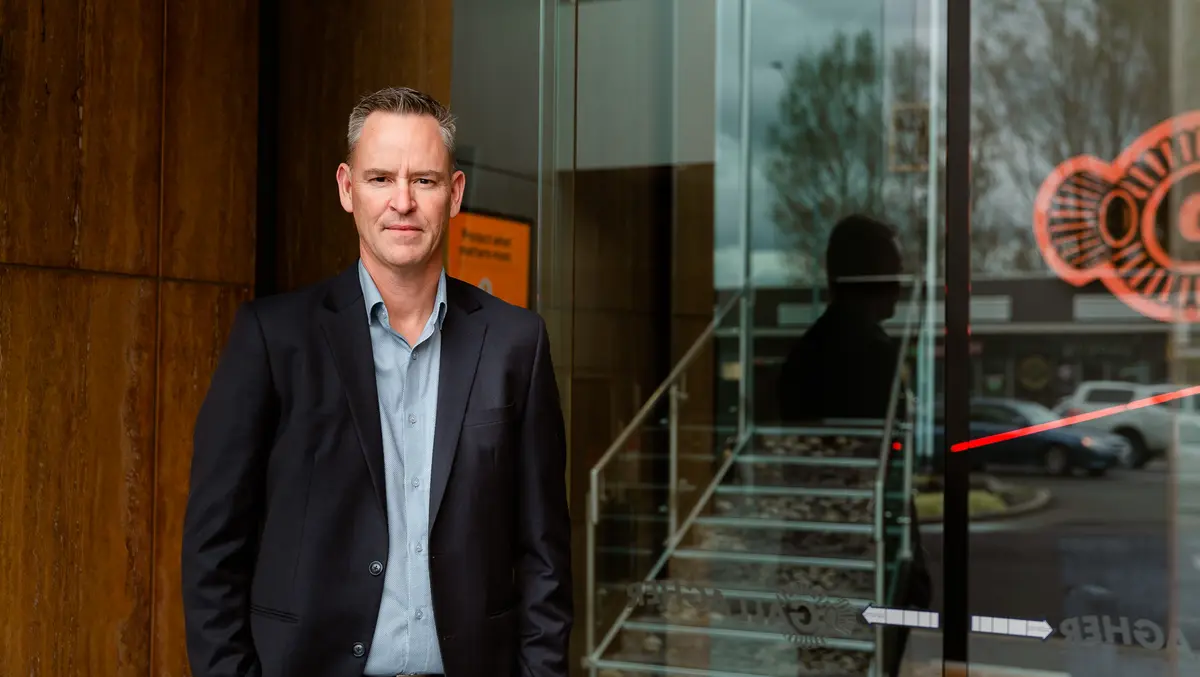
Mark Junge, Chief Executive, Gallagher Security, said the findings reflected a change in how the sector is approaching data and operational insight.
"This year's report shows an industry becoming clearer about long-term goals related to data and insights.
"As a result, the main question the industry is asking has shifted from 'what if security could deliver more?' to 'how do we make it happen now?'"
Purchasing shifts
The widening group of stakeholders involved in procurement is another theme in the report. Security systems have traditionally been selected largely within facilities or security functions, but the findings suggest software, analytics and data management are drawing senior management and technical teams much deeper into those decisions.
That change has implications for governance as well as investment. Governance, risk and compliance now ranks above cybersecurity among the features end users value most, signalling that organisations are taking a broader view of how security data should be managed and overseen.
Automation has meanwhile moved ahead of integrations as the leading long-term goal after the two were tied in the previous findings. Together, those shifts suggest buyers are looking not only for connected systems but also for tools that can process information and trigger actions with less manual intervention.
Junge said procurement patterns now reflect a more complex set of internal interests.
"There are more people involved in purchasing than ever before. More than half of end users, 53%, say teams outside security influence security purchasing and planning, with executive, finance and IT displacing facilities as the top influencers. That's a significant change from how systems were purchased in the past."
Data questions
The central issue raised by the report is who owns the data generated by security systems when those systems increasingly serve several parts of a business. Information from access control, occupancy monitoring and related systems can support operations, compliance and management decisions, but that broader use can also blur accountability.
Gallagher's findings suggest this issue is likely to become more pressing as organisations continue to direct spending towards software, analytics and automation rather than hardware. As those tools become more embedded in wider business processes, ownership, risk and decision-making rights around security data may require clearer internal rules.
Junge described this as the next major challenge for the sector.
"More stakeholders means more voices in security decisions, which is further blurring the lines of risk ownership. As more investment moves into software, data and analytics, it will become even more imperative that organisations address that tension and find an answer.
"The findings point to an important challenge for the next phase of the industry's evolution. As more parts of an organisation influence security decisions, and more investment moves towards software, analytics and automation, responsibility for the data those systems generate will need to become clearer."