

Siemens unveils virtual Siprotec V for digital grids
Thu, 5th Feb 2026
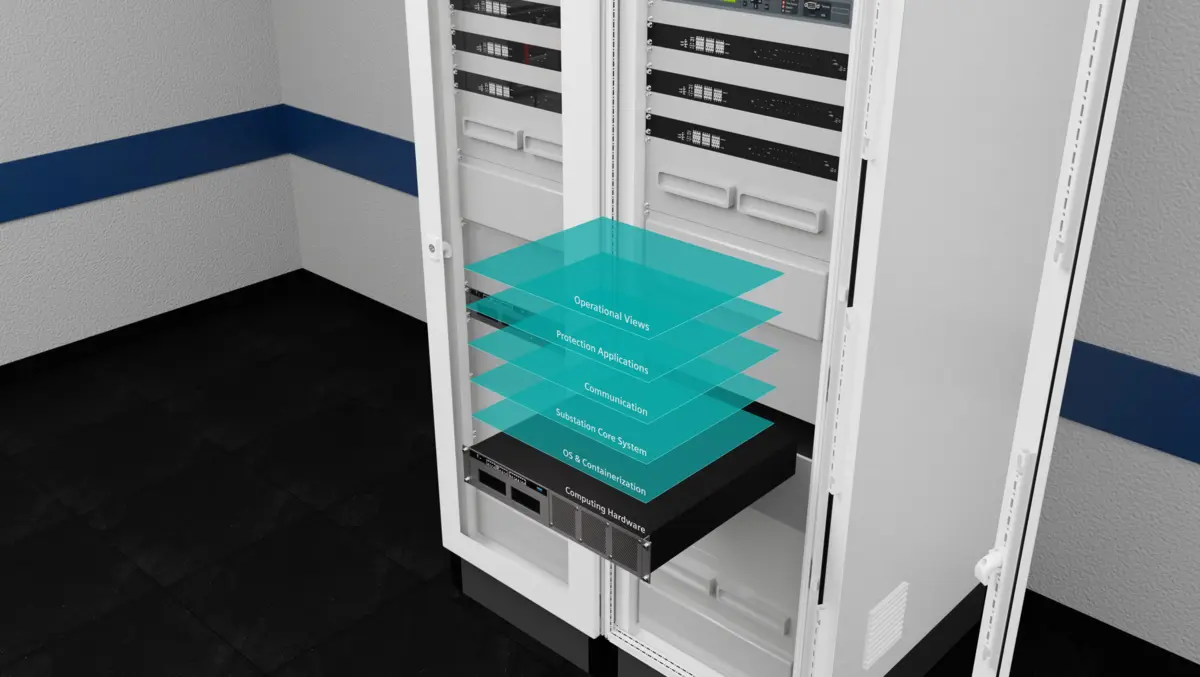
Siemens has launched a virtualised version of its Siprotec protection and control system for power grids, positioning the software-based approach as a way for utilities to reduce substation equipment, building space and cabling in digital substations.
The new product, called Siprotec V, runs on servers rather than dedicated protection relays and control devices. Siemens said one installation can consolidate the functions of up to 60 hardware-based Siprotec 5 devices in a single server-based setup.
The launch comes as grid operators face rising electricity demand and a growing workload from electrification. Utilities are also modernising older infrastructure while adding capacity and connecting more variable renewable generation. Protection and control systems sit at the core of this shift because they isolate faults and maintain safe operation during disturbances.
From devices to software
Substation protection and control has traditionally relied on many individual hardware units mounted in panels, with extensive copper wiring linking equipment across the site. Siprotec V changes the architecture by separating protection and control software from embedded devices and hosting applications in a virtual environment.
In practical terms, this shifts work from installing and wiring multiple panels to configuring software instances on server hardware. Siemens described the approach as software-defined protection and control, with protection functions scaling within a substation as virtual intelligent electronic devices.
The company put a number on the consolidation effect. A single server-based solution can host up to 60 virtual devices, according to Siemens. That structure also changes how utilities design and expand protection schemes, since additions can be made as software deployments rather than panel-by-panel roll-outs.
Cost and space claims
Siemens set out several quantified targets for the virtualised approach. It said capital expenditure can fall by up to 25% by minimising installed protection and control panels. It also put total lifecycle cost savings at up to 20%.
Physical space in the substation building is another stated benefit. Siemens said the design can reduce space utilisation by up to 45% because fewer panels and devices are installed on site.
The vendor also linked the design to construction and installation changes. Virtualisation reduces the need for extensive copper cabling and physical installations such as cable trenches. Siemens said that can cut carbon emissions by up to 50% per substation.
Testing and deployment
Virtualisation also affects commissioning workflows. Siemens said substation setups can be tested digitally before they are commissioned. It said this simplifies installation, speeds testing and reduces errors during project delivery.
The company also pointed to software maintenance as a differentiator. Siprotec V uses a modular software architecture, according to Siemens. Updates, patches and functional enhancements can be deployed as software changes rather than device replacements.
Siemens also claimed faster project delivery, saying Siprotec V can accelerate project execution by up to six months. Digital pre-testing and reduced on-site wiring and panel installation are typical contributors to shorter schedules in modern substation builds, though actual gains depend on design standards and site conditions.
Cybersecurity focus
Protection and control systems increasingly fall under tighter cybersecurity requirements because they play a critical role in grid safety and resilience. Siemens said Siprotec V considers leading cybersecurity standards and features.
It referenced the German Association of Energy and Water Industries White Paper and the North American Electric Reliability Corporation Critical Infrastructure Protection framework as important drivers for secure infrastructure. Utilities operating across regions often have to align substation automation and protection environments with such standards, including asset management, access control and monitoring practices.
AI at the edge
Siemens also linked the move to virtualisation with local computing inside substations. It said Siprotec V can host advanced AI applications directly in the substation environment. Siemens said this can provide real-time insights and predictive analytics, as well as improved decision-making.
For utilities, running analytics closer to operational data can reduce reliance on constant backhaul to central systems. It can also support condition monitoring and anomaly detection that depends on rapid processing at the site.
Onyeche Tifase, Vice President of Product Lifecycle Management at Siemens Smart Infrastructure, framed the product as an evolution of an established brand in protection systems.
"Siprotec is a name utilities trust. With Siprotec V, we take that trusted expertise into the digital era - turning proven protection algorithms into a powerful virtualized platform. This combination of real-world reliability and digital flexibility is what makes Siemens the partner of choice for customers who need to evolve their grids without compromise," said Onyeche Tifase, Vice President of Product Lifecycle Management at Siemens Smart Infrastructure.
Siemens said Siprotec V is designed for digital substations and targets utilities that want to change protection architectures with less reliance on hardware roll-outs, with deployments expected as part of wider substation modernisation programmes.