

Cyber insurance stories

Cyber insurance now common among North American SMBs
Last week
#
endpoint protection
#
cybersecurity insurance
#
mfa
ESET survey finds North American SMBs increasingly buying cyber cover, with insurers shaping controls and managed detection services after repeated breaches.

Cork Cyber adds automated mapping to Vantage platform
Last week
#
digital transformation
#
cloud security
#
socs
Cork Cyber boosts Cork Vantage for MSPs with automated mapping, cutting manual work and improving asset accuracy across client, device and inbox records.

Manufacturing leads ransomware targets in 2025 report
Last week
#
dr
#
vpns
#
ransomware
Manufacturing was the most targeted sector for ransomware in 2025, as Check Point counted 1,466 attacks worldwide amid rising supply chain exposure.

SonicWall flags SMB cyber gaps as attacks rise 20.8%
This month
#
firewalls
#
vpns
#
ransomware
SonicWall says small firms are being hit hardest by basic security lapses as ransomware, bot traffic and identity theft keep climbing.

Geneva Association urges firms to use cyber insurance
Last month
#
dr
#
ransomware
#
risk & compliance
Geneva Association says cyber insurance can help firms tackle rising threats, but warns take-up remains low and SMEs are underusing cover's prevention services.

World Backup Day warnings over ransomware resilience gaps
Last month
#
data protection
#
dr
#
ransomware
Cybersecurity experts say many firms are still relying on fragmented backup tools and untested recovery plans as ransomware attacks and cloud complexity surge.

Cork Cyber launches AI tool to catch MSP blind spots
Last month
#
dr
#
mfa
#
socs
Cork Cyber adds AI-powered asset analysis to help MSPs spot security gaps, zombie records and wasted licences across crowded tool stacks.

Cork Cyber unveils AI engine for MSP asset oversight
Last month
#
dr
#
endpoint protection
#
mfa
Cork Cyber unveils an AI-driven asset analysis engine for MSPs, tackling zombie assets, coverage gaps and licence waste across client estates.

Kroll warns of widening gap in global cyber resilience
Last month
#
dr
#
devops
#
digital transformation
Kroll warns boards are overestimating cyber resilience as attacks cost firms an average USD $2.2 million a year and response plans lag reality.
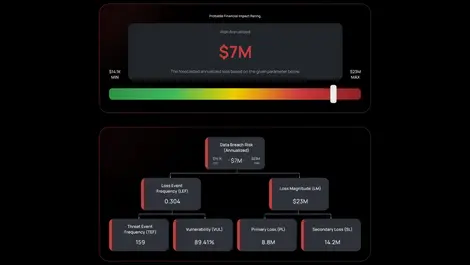
Black Kite adds Open FAIR to quantify third-party risk
Last month
#
ransomware
#
digital transformation
#
supply chain
Black Kite weaves Open FAIR into its platform to automate financial loss estimates in third-party cyber risk assessments and reviews.

Nozomi named Leader in Gartner CPS security ranking
Last month
#
iot security
#
iot
#
advanced persistent threat protection
Nozomi again lands in Gartner's Leaders quadrant for CPS protection, topping four key use cases in the 2026 Critical Capabilities report.

Tech Mahindra & Rubrik launch AI-led cyber recovery
Last month
#
data protection
#
dr
#
ransomware
Tech Mahindra and Rubrik roll out AI-led cyber recovery service to speed clean data restoration and cut downtime after ransomware attacks.

LevelBlue unveils flexible funds-based cyber IR retainer
Last month
#
ransomware
#
devops
#
socs
LevelBlue launches Resilience Retainer, a flexible funds-based cyber incident response service with rapid SLAs and rollover security spend.

Upgrading firewalls into a high‑margin MSP revenue win
Last month
#
firewalls
#
network infrastructure
#
network security
New SonicWall firewall upgrades promise MSPs and MSSPs lower costs, higher margins and stronger security-driven recurring revenue.

Codific maps five cyber paths threatening power grids
Fri, 27th Feb 2026
#
virtualisation
#
dr
#
ransomware
Codific warns power grids face repeat cyberattack patterns and urges utilities to bolster resilience to outages and cascading disruption.

Akamai, NVIDIA launch agentless OT security via DPUs
Tue, 24th Feb 2026
#
ransomware
#
manufacturing
#
hyperscale
Akamai teams with NVIDIA to launch agentless Zero Trust segmentation for OT, offloading security to BlueField DPUs to protect critical infrastructure.

Data-only extortion surges as remote access abused
Wed, 18th Feb 2026
#
data protection
#
dr
#
vpns
Data-only extortion soars 11-fold as attackers 'log in instead of break in', abusing remote access tools for faster, stealthier raids.

Cyber premiums fall as Lockton flags 2027 volatility risk
Fri, 13th Feb 2026
#
ransomware
#
risk & compliance
#
cybersecurity
Cyber premiums keep sliding as incidents rise, but Lockton warns historic claims could spark renewed pricing volatility from 2027.

Illumio, Armis deepen OT security & visibility push
Thu, 12th Feb 2026
#
firewalls
#
manufacturing
#
network security
Illumio and Armis expand their partnership to fuse asset intelligence with microsegmentation, tightening OT and IT security controls.

Arctic Wolf named Chubb's preferred MDR cyber partner
Fri, 6th Feb 2026
#
vpns
#
ransomware
#
cybersecurity insurance
Arctic Wolf has been chosen as Chubb's preferred MDR partner, tying cyber cover to continuous security monitoring for larger policyholders.