Environment stories
The Postgraduate Certificate in Connected Environments at Tech Futures Lab offers up-to-date learning for the fast-evolving IoT industry.
Alibaba Cloud has opened the source code of its Yun on Chip (YoC) full-stack technology platform for IoT devices.
Cyber attacks have surged in New Zealand, hitting organisations of all sizes across various sectors, raising concerns about data security.
Flexible work is here to stay, but a decline in wellbeing has occurred. Technology can support employee care and engagement in a hybrid world of work.
What if there was a way to extend the lifespan of products before they end up in landfill? Device repairability seems like a logical step.
Singapore government's use of social media channels to engage with residents revealed in Emplifi report, with Instagram as the most popular platform.
Plastic pollution in rivers, oceans and wastewater systems could finally face tougher global rules after nearly 200 countries backed a UN treaty.
The capital will use a US$1 million grant to expand its Digital Twin, helping planners test climate adaptation options over three years.
Public confidence is fading that damaging temperature rises can be avoided, even as concern about climate change hits its highest level in nearly a decade.
Climate pledges made at COP26 could speed up investment in clean energy, EV charging and low-carbon materials, despite weak deadlines.
Farmers face production cuts and taxpayers could be left with a multi-billion-dollar overseas carbon bill as the 2030 target is questioned.
Communities face rising flood and erosion risks as experts gather in Wellington to map practical adaptation plans for New Zealand.
Auckland’s flooding highlights the growing risk of cascading climate disasters, with severe rainstorms expected to intensify across Aotearoa.
New Zealand has already warmed 1.1°C, with the IPCC warning of more coastal flooding, fires and heavier rainfall ahead.
Public scrutiny begins on a replacement regime for the RMA, with the first draft aiming to speed planning and ease housing constraints.
Critics warn the draft overhaul could leave consenting slower and housebuilding harder, despite ministers promising a leaner planning regime.
Companies can cut climate risk and sharpen decarbonisation budgets now by following five practical steps towards balancing emissions.
The Government has until 31 December to decide whether to adopt a plan that could cut GDP by 1.2% in 2050, or do less.
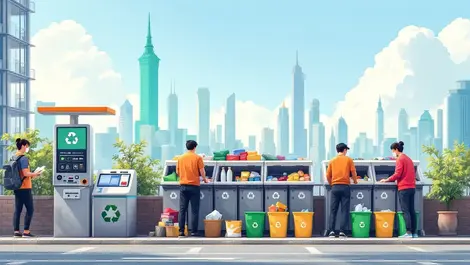
Facial recognition and reward points are being trialled to lift China’s recycling rate as waste volumes outpace the US by 2030.
Digital twin tools could help cut costly delays and emissions, as 90% of infrastructure projects are still late or over budget.