Internet Security stories
More than 20,000 entries fuelled a creator-led AI ad push as the winning spot now appears on Times Square screens.
Attackers can stay inside WhatsApp accounts after a single fake device approval, exposing messages, calls and contacts without alerts.
Free workshop sandboxes should make it easier for developers to try AWS training without a personal account, credit card or cleanup.
The controlled trial could help security teams cut false positives and speed remediation as frontier AI moves beyond finding bugs to validating risk.
Users now have more local routing choices as ExpressVPN widens its app-selectable network to 214 locations in 113 countries.
Shorter certificate lifecycles could force more renewals onto automation, as AWS now lets customers issue and renew TLS certificates through ACME.
A new anti-bot standard could let websites verify traffic without CAPTCHAs or tracking cookies, easing checkout friction for shoppers.
The new system aims to curb fraud as AI-driven traffic surges and online security teams struggle to tell legitimate agents from attackers.
More than 65% of enterprise customers showed residential proxy-related DNS activity, exposing firms to reputational and operational risks.
Rising bot traffic is inflating server costs for WordPress operators, prompting Kinsta to bundle controls into its dashboard at no extra charge.
Users in 10 markets can now find and connect to PureVPN servers through ChatGPT prompts, without sharing data with the chatbot.
Most internet users should see no change, but validators must update systems by October 2026 or risk DNS resolution failures.
Strong domains are set to become more valuable as AI makes it easier for small teams to launch websites and apps, a survey found.
Users can now start with a free Avast One plan and add paid protections later, as Gen shifts to a modular security model.
Customers can block attacks without rerouting traffic, as Megaport adds in-network DDoS filtering to its internet connectivity service.
Stressful milestones like buying a home or job hunting are leaving Australians most exposed to scams, a TrendLife study found.
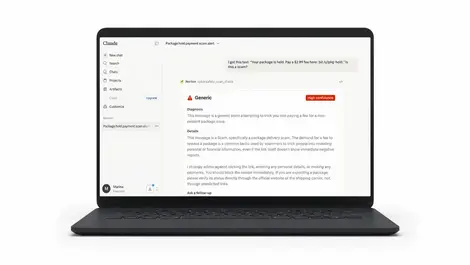
Scam checks are now available to Claude users across all tiers, as Norton embeds its Genie tool to flag suspicious messages and links.
Researchers can now earn up to USD $6,000 for exposing flaws in Agoda's core web services, APIs and mobile app via HackerOne.
Banks, payment networks and governments may face the same post-quantum migration as crypto, with trust and coordination now at stake.
The framework aims to let merchants verify authorised AI agents, block rogue automation and monetise machine traffic as commerce shifts online.















.webp)