IT Department stories
Sensitive data exposure through workplace AI is compounding a 48% annual rise in attacks, with organisations hit by 2,803 per week in September.
Australian firms risk spending increasing resources on AI pilots that ultimately fail to prove gains in revenue, efficiency or customer service.
AI is pushing boards to weigh local control against cloud convenience, with 80% of respondents saying sovereignty matters more in vendor selection.
Enterprises could trim underused software spend as Mastek replaces legacy tools with AI-native services tied to business outcomes.
Global quantum computing revenue is set to top USD $1 billion by 2027 as governments and companies keep funding early-stage research.
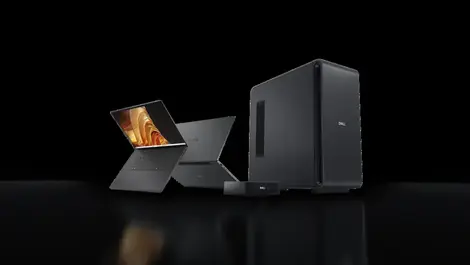
Creators and enterprises can run larger AI models locally as Dell's new Windows PCs and workstations bring NVIDIA's chips into office environments.
Enterprises can switch virtualisation platforms without replacing NetApp arrays, as the integration lets Nutanix AHV run on existing ONTAP storage.
His remit comes as the consultancy seeks to capture rising demand from regulated industries wanting AI agents governed across complex workflows.
Memory cost pressure is pushing buyers towards 8GB and 16GB business notebooks, even as 32GB models still drive a disproportionate share of revenue.
Only 5.2% of organisations in Australia and New Zealand have scaled AI beyond pilots, with structure and workflows proving the biggest barriers.
Most firms are still using AI for efficiency, but Avanade says only 17% have redesigned their operating model around it.
Rising VMware licensing bills are pushing 90% of surveyed users to consider rivals, with many also seeking third-party support and lower costs.
Despite strong returns from AI in IT, most Australian organisations still insist on human sign-off before systems can make operational decisions.
Clinicians at UHealth can now open patient-specific 3D scans from Epic, reducing extra searches and data entry during consultations and surgery planning.
Organisations are now prioritising AI over replacing old systems, with Kyndryl finding 98% of respondents have delayed modernisation and suffered setbacks.
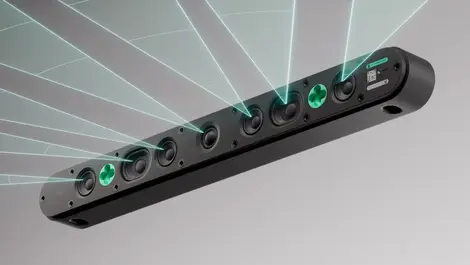
The systems could simplify installations for big meeting spaces, while also helping multinational firms run simultaneous language feeds in one room.
Businesses will get room sensors and new controls as Logitech broadens kit for hybrid meetings and office tracking, with prices from AUD $2,249.
The hire gives the UK cybersecurity provider a dedicated operator as it pushes to expand services and serve more than 150 organisations.
The promotion underscores Manulife's push to simplify systems and expand AI across Asia as insurers race to modernise ageing technology.
Australian firms remain exposed as 43% reported AI-driven phishing attacks in the past year, while many staff still log in with passwords.