Misinformation stories
AI-boosted scams piggybacking on tariff and cost-of-living fears are eroding Canadians' trust in everyday digital messages, Interac warns.
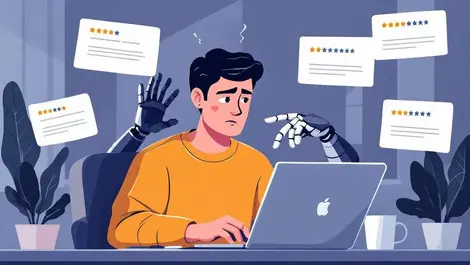
Bazaarvoice finds nearly a quarter of shoppers use AI to write reviews, yet almost two thirds distrust AI-assisted feedback as inauthentic.
OpenAI sets out new safeguards for its Sora 2 video app, tightening controls on likeness, teens, harmful content and AI-generated audio.
Over half of enterprises now deploy generative AI, but an OpenText study warns security, governance and trust are lagging dangerously behind.
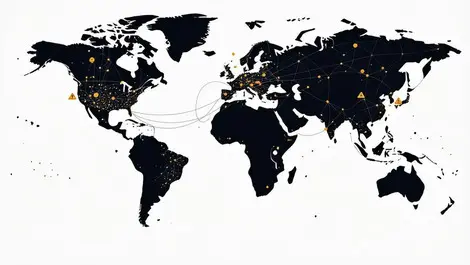
Iran-linked cyber attacks are spreading beyond the Middle East, with firms tied to Israel or the US warned they face heightened global risk.
OpenText warns firms are rolling out AI in cybersecurity faster than they build the governance, privacy and trust needed to keep it safe.
AI is reshaping how shoppers discover products online, but Criteo data shows few trust it to handle checkout or share sensitive details.
AI is reshaping content creation, boosting speed and scale while raising urgent concerns over quality, authenticity and reader trust.
AI agents are fuelling a new wave of cyber risk, as criminals weaponise automation to speed up ransomware and sharpen extortion tactics.
Iranian state-aligned hackers are shifting from spying to destructive cyber strikes, putting Western critical infrastructure on high alert.
OpenOrigins launches a free app that cryptographically proves photos and videos are real at capture, tackling deepfake-driven distrust online.
BrightEdge launches AI tools to show brands how they appear in generative search answers and how AI agents crawl and interpret their sites.
Europeans are embracing AI for daily tasks and shopping, even as frustration mounts over a surge in low‑quality AI‑generated content.
IBM warns shadow AI, deepfakes and quantum threats will reshape cyber risk by 2026, as autonomous agents speed breaches and ransomware.
Bitdefender exposes 26,000 Meta ads in 25 countries pushing fake investment schemes, impersonating banks, media and public figures.
Meta took down nearly 6m scam ads in 2025 after alerts from Lithuanian watchdog Debunk.org under the EU's Digital Services Act system.
Infosecurity Europe taps Ukraine war diplomat Dmytro Kuleba as 2026 keynote, amid fears geopolitics is weakening European cyber unity.
Horizon3.ai opens Iranian cyber threat intel to all NodeZero users as Western organisations brace for state-backed digital retaliation.
Irish workers race ahead of their employers on generative AI, as staff adopt free tools faster than firms can set policies and pay for them.
Almost half of people now distrust nearly everything they see online as AI deepfakes trigger a 'Great Trust Recession', new research shows.