Social Engineering stories
Many workers still act on sensitive digital requests without checking the sender, raising the risk of AI-driven impersonation scams.
Nearly six in 10 prospective customers are worried about AI-related threats, pushing Australian MSPs to explain cyber risk in plain language.
Remote hiring is now a security risk, as AI lets applicants fake identity and skills before they ever get company access.
Basic cyber hygiene is still patchy, with 35% of people not backing up data regularly as phishing and AI-driven attacks keep rising.
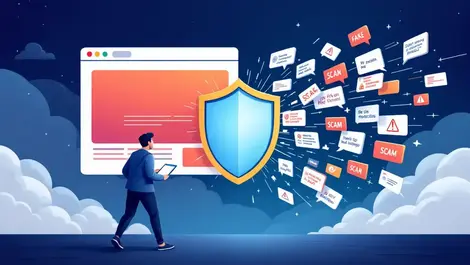
Scam detections nearly doubled to 6.4 million as criminals shifted to faster-moving fraud that can evade takedowns and hit consumers directly.
Researchers say the scheme has run since 2017, exposing users to fake Microsoft alerts and remote access theft through legitimate hosting tools.
Most organisations now face employee identity attacks, with phishing and stolen credentials pushing insider risk into boardroom-level concern, a survey finds.
Synthetic fraud is slipping past standard checks, prompting banks to use real-time address matching to tie identities to physical locations.
The appointment comes as the email security company widens its pitch beyond phishing to account takeover and deepfake risks across workplace tools.
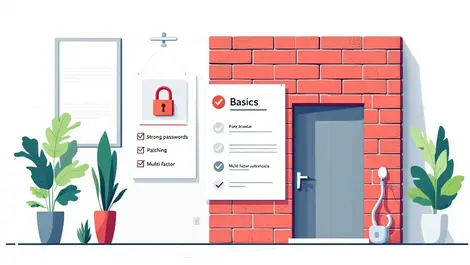
Most attacks still start with weak credentials, unpatched systems or phishing, so the firm says budgets should shore up basics before AI fears.
The extension aims to curb a surge in browser-based fraud, with one in seven consumers worldwide reporting an online scam in the past year.
Phishing-resistant logins are now a baseline expectation, but Australian organisations still need to decide whether synced or hardware-bound passkeys fit the risk.
Most employed respondents said pressure to work faster had pushed them towards unapproved AI tools, raising risks in routine checks and payments.
Heavy workloads are prompting US workers to skip checks on emails and AI tools, with 71% spotting suspicious details only after acting.
The findings suggest companies are exposing email and payment systems to software agents faster than they can secure them, widening phishing risk.
More than four in 10 finance and insurance staff using AI at work have shared sensitive data without their employer’s knowledge, a survey found.
Stolen information is now the main pressure point in cyber intrusions, with exfiltration appearing in 83 per cent of cases investigated in the third quarter.
More than a third of Singapore office workers could not tell a real CEO message from an AI fake, leaving firms open to fraud.
Many Singapore office workers still worry about questioning bosses, leaving firms exposed as 35% of senior managers said they would comply with a cloned CEO voice before checking.
Phishing now accounts for nearly a quarter of observed intrusions, while Australia slipped to 11th in Microsoft's latest global cyber rankings.