South Korea stories
The deal gives Heidi a foothold in South Korea, where it will test its clinical documentation tools inside Samsung Medical Centre's systems.
The tethered design could make hands-free workplace apps easier to deploy, with Google tying the device into Android Enterprise controls.
Longer decision times are leaving industrial landlords with a gap between requirements and signed leases across Asia Pacific, JLL said.
Businesses are being urged to build safeguards now as AI agents could soon be transacting more value than humans, First Digital says.
Vehicle systems and subscriptions helped offset softer TV demand, as operating profit for the first nine months climbed 55.9 per cent to KRW 4.03 trillion.
The gaming group is betting on robotics to extend its AI expertise beyond games, as Ludi 0.2 targets more natural human-robot interaction.
Travellers now face a fast-changing maze of entry forms, fees and bans, with iVisa's free tracker logging 97 rule changes across 61 countries.
The push could help firms cut time spent on follow-up work as Zoom expands from meetings into AI tools for tasks, search and customer support.
Vehicle and AI data centre orders helped lift operating profit 34.1 per cent to KRW 781.9 billion in the third quarter.
Office demand across Asia Pacific is still set to grow 13% by 2030, as CBRE says AI will reshape rather than erase workplace needs.
The cybersecurity company is scaling into agentic AI security after its strongest quarter yet and a record deal, as customer demand accelerates.
Regional hotel dealmaking has surged despite geopolitical and rate risks, with JLL now forecasting USD $15 billion in Asia Pacific transactions for 2026.
Financial firms are racing to detect AI agents before they slip into customer accounts, as Resemble says its tool spots disguised traffic with 98.8% accuracy.
Partners can now tap Hyundai Card’s AI tools without building their own data systems, as the issuer expands beyond cards into wider business planning.
Cross-border payments will be tested on a live tokenised deposit rail, giving Korean banks early evidence on settlement and remittance risks.
Most Asian travellers now use AI to plan trips, but they still want control when it comes to hotel bookings and payments.
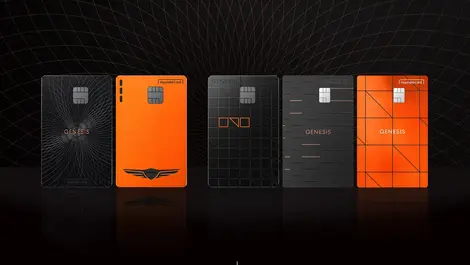
More than 150,000 cards were issued in three months, signalling demand for simpler, category-based rewards as spending fragments across South Korea.
Rising power bills and emissions pressure are driving the scheme, which aims to cover 100MW of supplier rooftops within two years.
The tie-up could strengthen regulated crypto infrastructure in South Korea, where the companies estimate a USD $68 billion digital asset market.
The tie-up aims to speed real-world blockchain deployment among Korean banks and other institutions as tokenised assets gain momentum in Asia.