Vulnerability management stories
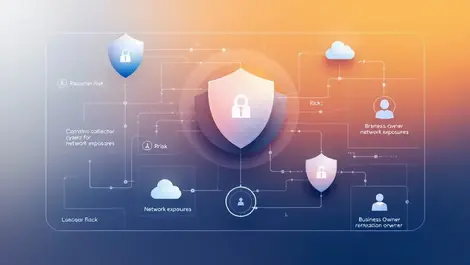
Security teams can now link exposures to business impact and owners, as Eventus rolls out a platform to cut through duplicate findings.
Australian businesses face sharper breach risks in 2027 as AI assistants and trusted staff credentials become prime targets for cybercriminals.
AI-generated code is forcing security teams to govern prompts, tools and deployment activity across the whole lifecycle, not just earlier stages.
The change gives open-source users twice-yearly CVE fixes, while production operators can now pay for ongoing security updates without a full enterprise licence.
The findings suggest weak segmentation still leaves hospitals and industrial sites exposed to attackers through tens of thousands of non-essential gadgets.
Surveyed security teams are using AI for triage and reporting, with most planning wider deployment despite worries over auditability and accuracy.
IT teams facing bigger Windows estates and smaller packaging crews are being asked how automation and Intune are reshaping workload and risk.
Existing customers will see no immediate change, while the first integration is slated for early 2027 to link support requests with device management.
Community-built connectors are helping security teams weave threat intelligence into existing workflows as OpenCTI's catalogue tops 400 integrations.
Security teams can now automate more remediation and Slack-based workflows in GitLab 19.6, while credits are stretched up to twice as far.
Security teams could get fewer false alarms as prioritised findings from ArmorCode are validated in OpenAI's Daybreak and tracked for fixes.
Enterprises may soon get a shared blueprint for autonomous security operations as nine groups tackle governance, tools and human oversight.
AI agents may widen attack surfaces in 2027, as hijacked permissions could let criminals steal data, alter records or trigger transactions.
Breaches increasingly stem from the systems around mainframes, as leaders are urged to replace point-in-time reviews with continuous evidence of control effectiveness.
The managed service aims to help enterprises cut the gap between disclosure and remediation as AI speeds up weaponised attacks.
Security teams can now check each software release in minutes, as Escape's new service targets code changes before attackers exploit them.
Discovery of software flaws is outpacing remediation at many firms, leaving payment and banking systems exposed longer before safeguards can be verified.
Rising IoT adoption is leaving firms exposed to firmware flaws and weak device controls that can let attackers into enterprise networks.
Only 35% of firms responded to its previous warnings, as exposed secrets can stay active for days and attackers move faster with AI.
Security teams can now test live environments for multi-step attack chains while limiting damage, as Picus adds agent-led penetration testing to its platform.