Facial recognition stories
The award highlights rising pressure on identity vendors to stop fraud that now slips between login checks, account recovery and contact-centre calls.
The avatar is set to front multilingual video and announcements across 31 markets, helping Flashscore scale content without local presenters.
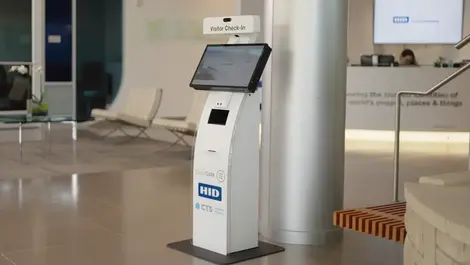
Visitors at large sites may face tighter identity checks as the new kiosk links document scanning, face matching and badge issuance in one step.
The new service aims to curb AI-driven identity fraud while speeding up checks that often drive genuine users away.
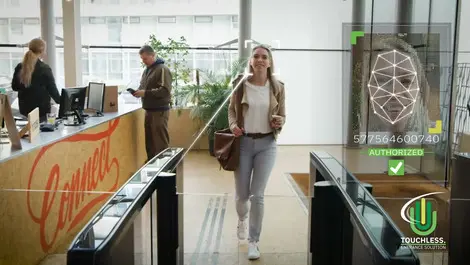
The shift could leave sites exposed unless firms match cyber defences with repeated identity checks at doors and restricted rooms.
Australian households can now buy battery cameras and smart locks without monthly fees, as EZVIZ widens its security range nationwide.
The frozen food chain says fewer false alarms and faster staff alerts are helping protect customers, after theft losses fell 80% in pilot stores.
Australian shoppers will soon be able to verify payments with a face or palm as merchants trial optional biometrics alongside cards, phones and PINs.
Privacy advocates say covert recording risks in changing rooms and beaches make the devices a public safety issue, not a novelty.
Rising cybercrime is forcing Australian businesses to tighten checks or risk fraud losses, compliance breaches and slower onboarding.
Retailers face mounting pressure as privacy advocates warn the glasses could let shoppers film people covertly in public and private spaces.
Non-Prime users will face an AUD $29.99 monthly fee once Amazon's upgraded voice assistant moves beyond Early Access in Australia.
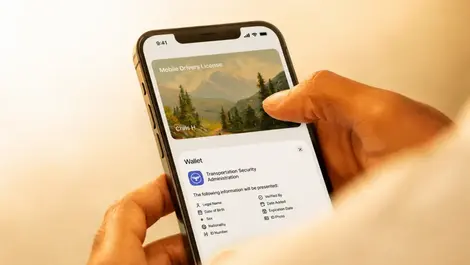
Businesses in New Zealand can now verify wallet-held IDs on one integration, with age checks possible without revealing full identity.
Operators will get one platform for fuel theft, shop crime and police reports as unpaid fuel incidents and staff abuse keep rising.
The ranking reinforces Incode's pitch to banks and platforms seeking faster checks as deepfakes and synthetic identities raise fraud risk.
Millions of customers will gain quicker access to payments, card controls and accessibility features as the lender pushes more banking into mobile.
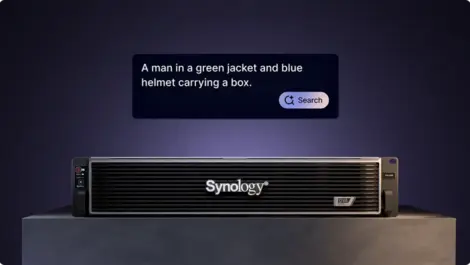
Organisations can analyse up to 100 camera feeds on site as privacy rules and bandwidth limits push surveillance processing away from the cloud.
Drivers could gain stronger privacy rights as AEVA urges laws to keep connected car data onshore and off by default.
Retailers could soon use terminals for age checks and identity verification, as New Zealand gets an early taste of Verifone's biometric rollout.
Australians remain wary of AI at checkout, with 64% uneasy about letting systems buy on their behalf despite rapid retailer investment.






.webp)